
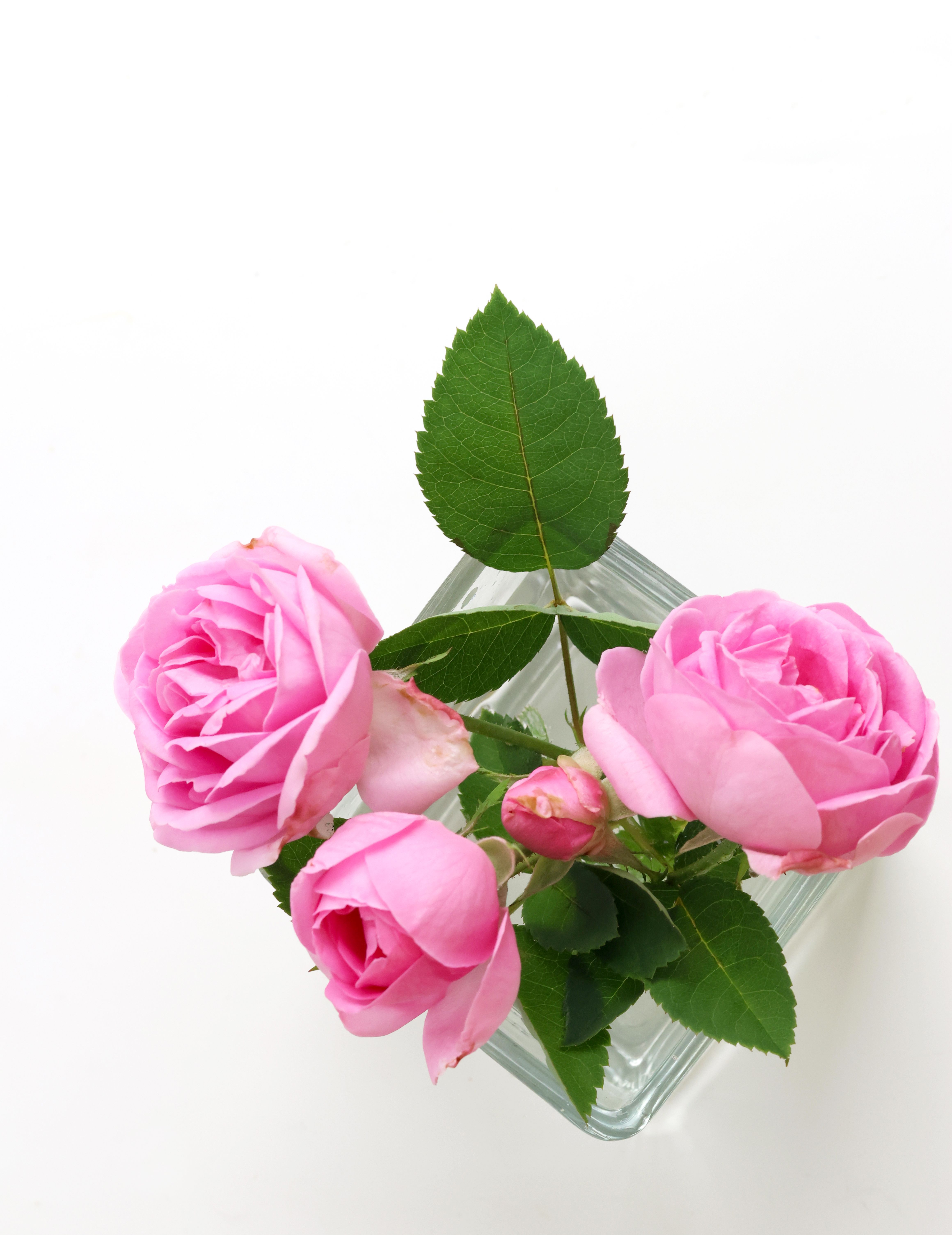
Roses of Kalaât M’Gouna used for rose water and Moroccan natural cosmetics Rose of Kalaât M’Gouna: Moroccan rose water and natural cosmetics 2025
The rose of Kalaât M’Gouna, a treasure of the Valley of Roses in Morocco, has brought worldwide fame to this region through its exceptional Moroccan rose water and natural cosmetics. Between ancestral harvesting at dawn, artisanal distillation in local cooperatives, and beauty rituals passed down through generations, this fragrant terroir attracts travelers, natural cosmetics enthusiasts, and slow care lovers. Furthermore, discover the fascinating history of this Moroccan Damask rose, from flower to hydrosol. Explore all the treasures of Morocco before your trip.
⏱️ Reading time: 9 minutes 🎯 Key takeaway: The rose of Kalaât M’Gouna is harvested from late April to mid-May. Indeed, the Rose Festival takes place in early May. Moreover, authentic rose water is recognized by its INCI “Rosa damascena flower water” and its origin “Valley of Roses.”
Table of Contents
- The Valley of Roses in Morocco: terroir of the rose of Kalaât M’Gouna
- Moroccan Damask rose: history and characteristics
- Harvesting and distillation: production of Kalaât M’Gouna rose water
- Moroccan rose water: beauty benefits and rituals
- Cosmetics with rose of Kalaât M’Gouna: complete guide
- Traditional Moroccan recipes with traditional rose water
- Buy authentic rose water Kalaât M’Gouna
- Festival of Roses Kalaât M’Gouna: dates and program 2025
- Visit the Valley of Roses: itineraries and advice
- Rose cooperatives Morocco: solidarity economy
- FAQ
The Valley of Roses in Morocco: Exceptional Terroir of the Rose of Kalaât M’Gouna
The Valley of Roses in Morocco extends majestically along the Oued M’Goun, between Kelâa M’Gouna and the foothills of the High Atlas. Indeed, this exceptional region harmoniously combines verdant palm groves, rammed-earth kasbahs, and traditional Berber villages.
Furthermore, the unique microclimate, ancestral irrigation by seguias, and ideal altitude (1400-1800 m) create perfect conditions for cultivating the rose of Kalaât M’Gouna. Located 90 km from Ouarzazate on the route of the Thousand Kasbahs, this valley forms a green triangle contrasting with the surrounding arid mountains.
Consequently, rose gardens extend over more than 4,000 hectares, producing approximately 4,000 tons of rose petals each year. This impressive production makes Morocco the fourth largest producer of fragrant roses in the world, after Bulgaria, Turkey, and Iran.
Furthermore, the terroir benefits from generous sunshine (more than 320 days of sun per year), significant thermal variations (hot days, cool nights), and pure water from the surrounding mountains. Thus, these factors develop delicate aroma and exceptional concentration of active compounds of the rose of Kalaât M’Gouna.
According to scientific studies on the Damask rose, the Moroccan terroir produces roses particularly rich in essential oils. The main villages include Kelâa M’Gouna, Bou Thrarar, Aït Youl, and Souk Jemaa M’Goun.
Each village is home to female cooperatives perpetuating ancestral know-how. Combine your visit with a hike in the Moroccan Atlas for a complete discovery of the region.
Moroccan Damask Rose: Botanical History and Specificities
The Moroccan Damask rose (Rosa damascena), cultivated in Kalaât M’Gouna, descends from a variety introduced by pilgrims returning from Mecca in the 19th century. Indeed, this ancient rose originating from the Middle East has perfectly acclimated to the Moroccan terroir and developed unique characteristics.
Botanical Characteristics of the Rose of Kalaât M’Gouna
Floral description: The double flowers have 30 to 40 petals ranging from tender pink to intense pink, with a diameter of 6 to 8 cm. Their fragrance, powerful and slightly spiced, reveals notes of honey and red fruits. Moreover, the unique annual blooming occurs from late April to mid-May depending on altitude and climate.
Traditional cultivation: Plants are grafted onto wild dog rose (Rosa canina), then planted in hedges along the seguias. Thus, winter pruning promotes abundant flowering and no chemical treatment is used, which preserves the quality of the rose of Kalaât M’Gouna and respects the environment.
Exceptional yield: Between 3,000 and 4,000 flowers are needed to produce one liter of Moroccan rose water and 4 tons of petals to obtain 1 kg of essential oil. Consequently, this rarity explains the high value of rose essential oil from Morocco, among the most expensive in the world.
To explore other natural products from the country, consult our Moroccan natural cosmetics. Unlike modern ornamental roses cultivated for their appearance, the Kalaât M’Gouna Damask rose preserves its genetic authenticity and original fragrance.
Currently, several Moroccan agronomic research projects study the preservation of local varieties in the face of climate change. Moreover, the National Moroccan Tourism Office actively promotes this unique plant heritage and values the culture of the rose of Kalaât M’Gouna in its tourism campaigns.
Harvesting and Artisanal Distillation: Secrets of the Rose Water of Kalaât M’Gouna
The production of rose water from Kalaât M’Gouna follows a precise ancestral protocol that guarantees exceptional quality. Each step, from harvesting to distillation, requires know-how passed down through generations. Moreover, this tradition maintains the world reputation of the rose of Kalaât M’Gouna.
Harvesting Roses at Dawn: An Ancestral Ritual
The harvesting of Damask roses is performed exclusively early in the morning, between 5 a.m. and 9 a.m., before the heat of the day. This moment is crucial as it preserves the freshness and integrity of the flowers, essential to the quality of Moroccan rose water.
First, the night dew keeps the petals fresh. Next, the concentration of essential oils reaches its maximum at this time. Finally, flowers are handled with care to avoid any alteration. Thus, every gesture counts in preserving the natural fragrance.
Experienced harvesters carefully select flowers at mid-opening. Flowers that are too closed lack aromatic intensity, while those too open lose some of their active compounds. On average, each harvester collects 15 to 20 kg of flowers per day, approximately 45,000 roses.
Traditional Distillation: Transformation of Rose into Hydrosol
The distillation of rose water follows a steam method perfected over centuries. Freshly harvested petals are placed in a copper still, a noble material that preserves delicate aromas. Then water vapor passes through the flowers and extracts the aromatic molecules.
The vapor charged with essence then condenses in a cooling coil. This process produces two distinct but complementary extracts: rose hydrosol and essential oil.
Hydrosol (rose water): 95% of total production. Fragrant aqueous phase, gentle and usable pure. Essential oil: 5% of production. Extremely concentrated and precious top fraction.
The distillation temperature is rigorously controlled (95 to 100 °C) to preserve fragile compounds. Complete distillation lasts on average 3 to 4 hours per batch. The cooperatives of Kalaât M’Gouna perpetuate these precise gestures: loading the still, controlling temperature, separating phases, and immediate bottling in opaque flasks.
The final quality depends on many factors: freshness of roses (less than 6 hours after harvest), cleanliness of vats, purity of water used, and expertise of the distiller. Moreover, some cooperatives offer guided tours during the season, which allows you to concretely discover the manufacturing of Moroccan rose water. Organize your visit as a family to experience this authentic experience.
Moroccan Rose Water: Exceptional Beauty Benefits and Ancestral Rituals
Moroccan rose water (Damask rose hydrosol) has been a pillar of traditional beauty rituals in Morocco for centuries. Its exceptional properties suit all skin types, especially the most sensitive and reactive. Moreover, this natural elixir from the rose of Kalaât M’Gouna illustrates the effectiveness and purity of Moroccan cosmetics.
Dermatological Benefits of Moroccan Rose Water
Therapeutic properties:
- Soothing: Calms redness, irritation, and skin irritation.
- Toning: Firms tissues, tightens pores, and brightens complexion.
- Balancing: Regulates sebum and restores skin pH.
- Hydrating: Maintains skin suppleness and prevents dehydration.
- Anti-aging: Stimulates cell renewal and reduces fine lines.
- Purifying: Gently cleanses and prepares skin for subsequent treatments.
According to scientific studies on rose water, the hydrosol contains polyphenols and flavonoids responsible for these documented beneficial effects.
Traditional Moroccan Beauty Rituals with Rose Water
Daily toning lotion: After cleansing, generously spray rose water on your face. Next, pat to promote penetration. Finally, let dry before applying your cream. Thus, regular use visibly improves complexion within a few weeks.
Refreshing mist: Use a spray bottle for regular spritzing throughout the day. Perfect for the office or after sports, this mist sets makeup and provides an immediate refreshing effect.
Soothing compresses: Soak cotton discs in rose water and apply for ten minutes to sensitive areas. This ritual is recommended after sun exposure or waxing.
Pink clay mask with Moroccan rose water: Mix pink clay with rose water instead of regular water. Next, apply to the face and let sit for ten minutes before rinsing. This treatment purifies the skin gently.
Hair care with Kalaât M’Gouna rose water: As a final rinse after shampooing, it detangles, perfumes, and revitalizes hair. Moreover, it can be added to homemade hair masks to enhance natural shine.
Discover also other Moroccan natural cosmetics to complement your beauty routine and extend the benefits of the rose of Kalaât M’Gouna.
Cosmetics with Rose of Kalaât M’Gouna: Complete Guide to Extracts
The rose of Kalaât M’Gouna generates three major cosmetic extracts with complementary properties: hydrosol, essential oil, and absolute. Understanding their differences allows optimizing each use in a natural Moroccan beauty routine. Thus, the Moroccan Damask rose becomes a versatile resource for skin and hair.
Rose Hydrosol: The Accessible Daily Extract
The rose hydrosol from Damask rose represents the aqueous phase from distillation. Gentle and well-tolerated, it can be used pure every day. Its composition combines floral water and water-soluble molecules from the rose of Kalaât M’Gouna, offering toning and soothing action.
Although less concentrated than essential oil, the hydrosol remains effective for daily cosmetic use. Moreover, it suits all skin types, even sensitive ones.
Uses of hydrosol: facial toning lotion, hair mist, base for DIY preparation (creams, masks), perfume for linen, and traditional Moroccan culinary ingredient.
Moroccan Rose Essential Oil: Precious Treasure
The essential oil of Damask rose concentrates the most powerful aromatic lipophilic molecules. Its low yield (0.02%) explains its high price, but also its rarity. Consequently, it must always be diluted before skin use.
Biochemical composition: Citronellol (20-40%), geraniol (15-25%), nerol (8-12%), phenylethanol, and farnesol. These components give Moroccan rose essential oil its antioxidant virtues and its captivating fragrance.
Precautions: Do not apply pure; always dilute to 1-2% in a vegetable oil. Do an allergy test beforehand and avoid during pregnancy. Store the bottle away from heat and light.
Rose Absolute: Fragrant Excellence
Rose absolute is obtained by solvent extraction (ethanol, hexane). Its fragrance is more complete and persistent than that of essential oil, but its purity can vary depending on the process. It is highly sought after in perfumery for its aroma faithful to the fresh flower.
Uses: Luxury perfumery, solid balms, olfactory synergies, and natural compositions. Dilute in a fat base before application.
| Product Based on Rose | Process | Concentration | Uses | Indicative Price |
|---|---|---|---|---|
| Hydrosol (rose water) | Steam distillation | Low (0.02-0.05%) | Tonic, mist, DIY, cooking | €8-25/250 ml |
| Essential oil | Steam distillation | Very high (100%) | Targeted care, perfume (diluted) | €300-500/ml |
| Rose absolute | Solvent extraction | High | Perfumery, balms | €80-150/ml |
💡 Buying advice: Prioritize hydrosol for daily use thanks to its excellent quality-to-price ratio. On the other hand, reserve essential oil for targeted treatments. Always check for “Valley of Roses – Kalaât M’Gouna” on the label.
To deepen your knowledge, consult our guide to Moroccan natural cosmetics.
Traditional Moroccan Recipes Perfumed with Rose Water
Moroccan rose water subtly perfumes pastries, beverages, and savory dishes in Morocco. A few drops are enough to create a refined floral aroma typical of traditional Moroccan cuisine. Thus, the rose of Kalaât M’Gouna is also part of gastronomy, a symbol of balance and refinement.
Emblematic Moroccan Pastries with Rose Water
Chebakia: Honey and sesame fritters shaped like a rose and dipped in syrup perfumed with rose water. Essential during Ramadan, they require two tablespoons of rose water added to warm honey for authentic flavor.
Sellou (sfouf): Energy paste based on toasted almonds, sesame, and honey. Rose water balances the richness of the mixture. Count one tablespoon per 500 g of preparation.
Baghrir: Thousand-hole crepes served with a butter-honey syrup perfumed with rose water. As a variation, add one teaspoon directly into the batter.
Almond cakes: Ghoriba, fekkas, or briouat use rose water in the dough or icing. The almond-rose-honey alliance creates a delicate and balanced taste.
To explore the spices that enhance these recipes, consult our complete guide to Moroccan spices.
Refreshing Beverages with Moroccan Rose Water
Mint and rose tea: Add one tablespoon of rose water in the teapot after infusion. The mint-rose combination produces a floral and refreshing drink.
Rose lemonade: Mix lemon juice, sugar, water, and rose water (one tablespoon per liter). Decorate with edible petals for an elegant touch.
Rose almond milk: Combine almond milk, honey, rose water, and cardamom. This comforting beverage illustrates the art of floral Moroccan gastronomy.
Discover also other traditional Moroccan beverages to vary your pleasures.
Salads and Savory Dishes Perfumed with Rose
Orange salad with rose: Orange slices seasoned with rose water, cinnamon, and orange blossom; a fresh appetizer typical of Moroccan winter.
Lamb tagine with roses: Lamb stew with honey, almonds, and saffron sublimated at the end of cooking by rose water. The fragrance of the Kalaât M’Gouna rose harmoniously enhances the spices.
Sweet and savory couscous: Fine grains, raisins, caramelized onions, toasted almonds, and chickpeas united under a touch of rose water for a balanced and refined flavor.
Buy Authentic Kalaât M’Gouna Rose Water: Buying Guide
The market today offers a wide range of authentic Kalaât M’Gouna rose water. However, there are many synthetic imitations. For this purchase, care must be taken and objective quality criteria must be known. Moreover, these best practices will help you quickly distinguish a reliable product.
Quality Criteria for Choosing Moroccan Rose Water
INCI labeling: Look for the mention “Rosa damascena flower water.” Beware of vague formulations such as “rose fragrance” or “rose essence.” A short INCI list is a guarantee of purity.
Geographic origin: Prioritize clear mentions “Morocco,” “Valley of Roses,” “Kelâa M’Gouna,” or “Dadès-M’Goun Region.” Displaying the producing cooperative or cultivation altitude enhances traceability.
Pure composition: Opt for 100% hydrosol without added alcohol, synthetic preservatives, or colorants. However, a natural preservative (e.g., Leucidal) transparent can be acceptable.
Optimal Packaging and Preservation
Opaque bottle: Prefer amber glass or white opaque plastic. Indeed, light rapidly degrades the aromatic molecules in hydrosols.
Dispensing system: Prioritize fine spray pump, pouring bottle, or secure cap. Avoid wide mouths that promote bacterial contamination.
Expiration date: Check for the presence of an expiration date or PAO (period after opening). Pure hydrosol keeps 6-12 months after opening under optimal conditions.
Sensory Tests: Olfactory and Visual
Natural fragrance: A delicate floral odor, slightly green, not chemical, typical of the rose of Kalaât M’Gouna. If the odor reminds you of an artificial rose candy, it’s probably a synthetic product.
Liquid appearance: The water should be clear or slightly opalescent. A pink or red tint typically indicates the addition of dye. Moreover, a slight natural deposit at the bottom remains acceptable.
Realistic price: Authentic rose water usually costs between €8 and 25 for 250 ml depending on organic certification and type of cooperative. A price that is too low (e.g., €3-5/500 ml) should raise your suspicion.
Recommended Sales Points for Authentic Rose Water
In Morocco: Purchase directly from the female cooperatives of Kelâa M’Gouna. This guarantees traceability, fair prices, and support for the local economy. Otherwise, visit artisan markets (Marrakech, Fez, Ouarzazate) or traditional herbalists.
In Europe: Aim for specialty shops in natural cosmetics, reputable e-commerce sites, or Oriental shops. Always verify the stated origin and prioritize transparent brands.
Reliable labels and mentions: Search for “female cooperative,” “fair trade,” “organic farming,” or “artisanal product.” For example: the Rose Valley Cooperative Kelâa M’Gouna, the Tourza Association.
In conclusion, Moroccan rose water from the rose of Kalaât M’Gouna deserves rigorous selection. Thanks to these references, you are better equipped to identify an authentic product, support a local supply chain, and fully benefit from the natural benefits of the terroir.
Visit the Valley of Roses: Essential Itineraries and Major Sites
The Valley of Roses in Morocco offers far more than its rose gardens. It combines spectacular landscapes, Berber heritage, preserved nature, and local hospitality. By visiting the rose of Kalaât M’Gouna in its original terroir, the traveler discovers an authentic and peaceful region.
Classic Discovery Circuit of the Valley of Roses
Day 1 – Ouarzazate → Kelâa M’Gouna (95 km): Depart in the morning on Route N10. Stop at Skoura to visit the kasbahs before heading to Boumalne Dadès, then Kelâa M’Gouna in the afternoon. Check in at accommodation and first stroll through the rose gardens.
Day 2 – Immersion in the valley: Visit a female cooperative, observe the distillation of Moroccan rose water, and discover traditional culture. Have lunch with a local family and participate in a cosmetics workshop.
Day 3 – Exploration of surrounding valleys: Join Souk Jemaa M’Goun or Bou Thrarar for a 4×4 excursion. Enjoy panoramic views and preserved Berber villages.
Day 4 – Kelâa M’Gouna → Dadès Gorges: End with a panoramic route dotted with kasbahs and viewpoints over the Valley of Roses.
Must-See Sites Around Kalaât M’Gouna
Dadès Gorges: Located 25 km away, they offer winding roads, red cliffs, and perched kasbahs. Perfect for short hikes.
M’Goun Valley: Accessible by 4×4, it houses isolated Berber villages and magnificent landscapes. Plan a full day.
Skoura Palm Grove: Green oasis 60 km away, known for its kasbahs and local crafts.
Lake El Mansour Eddahbi: Large reservoir 80 km from Ouarzazate, ideal for picnics and bird watching.
Hiking in the Valley of Roses
Rose garden trail: Easy 2-3 hour loop at Bou Thrarar, crossing fields, seguias, and Berber villages. Suitable for families.
M’Goun plateau ascent: Medium-difficulty hike (4-5 hours) offering panoramic views of the valley and the Atlas. Picnic break recommended.
Integral M’Goun trek: Difficult 3-5 day route connecting several valleys and passes (2500-3000 m). Accommodation in guesthouse or bivouac with mandatory guide.
Best time for hiking: March-May (rose blooming) and September-November (mild climate). Avoid overly hot summer and snowy winter.
To extend your stay, consult our complete guide to hiking in the Moroccan Atlas.
Rose Cooperatives Morocco: Pillar of Female Solidarity Economy
The female cooperatives of Kalaât M’Gouna play an essential role in the empowerment of rural women and sustainable valorization of the rose of Kalaât M’Gouna. They guarantee the transmission of artisanal know-how and actively participate in local economic development.
History and Organization of Rose Cooperatives
The cooperative movement developed in the 1990s-2000s with the support of international NGOs and Moroccan rural development programs. The objective was to transform the harvesting of the Moroccan Damask rose into an income-generating activity. Today, more than thirty certified cooperatives bring together approximately three thousand women.
These structures operate democratically: members elect their president, distribute profits according to participation, and collectively invest in efficient distillation equipment.
Main Activities and Productions
Artisanal distillation: Heart of the activity, it allows production of Moroccan rose water and essential oil used in natural cosmetics. Copper stills, pure mountain water, and traditional processes ensure flawless quality.
Varied natural cosmetics: Creams, soaps, balms, and exfoliants based on the rose of Kalaât M’Gouna are developed according to local recipes. These products respect modern preservation standards while preserving the authenticity of the terroir.
Food products: Jams, syrups, and honey flavored with rose extend the production season. Thus, cooperatives diversify their income and reduce dependence on single blooming.
Floral crafts: Sachets of dried petals, scented gift sets, and interior decorations complement the supply intended for tourism.
Social and Economic Impact
Female autonomy: Income provides financial independence and strengthens the decision-making role of women within households. Literacy programs accompany this development.
Sustainable development: These cooperatives slow rural exodus, improve living conditions, and fund community infrastructure such as schools or health centers. Moreover, they preserve the fragile ecosystem of the valley.
Fair trade: They favor short supply chains, guarantee fair prices, and promote transparency in the traceability of Kalaât M’Gouna rose water.
Solidarity tourism: Some cooperatives offer guided tours, participatory workshops, and accommodation in rural guesthouses. These activities strengthen bonds between travelers and local communities.
Visiting Female Cooperatives
Main structures: The Rose Valley Cooperative, the Tourza Association, the Assakayn Cooperative (Bou Thrarar), and Tighanimine (with accommodation). Each offers warm welcome, distillation demonstration, and artisan shop.
Advice for responsible purchasing: Prioritize direct purchase, inform yourself about the manufacturing process, and pay fair prices reflecting manual labor. Moreover, avoid excessive tourism consumption to preserve local balance.
To deepen the theme of sustainable travel, consult our guide to responsible eco-tourism.
FAQ: Rose of Kalaât M’Gouna and Moroccan Rose Water
What is the difference between rose water and rose hydrosol?
There is no real difference: both terms refer to the aqueous phase resulting from the distillation of rose petals from Kalaât M’Gouna. “Hydrosol” is the technical term, while “rose water” is the common name.
When does the harvest of roses at Kalaât M’Gouna take place?
The harvest runs from late April to mid-May depending on altitude and climatic conditions. Flowers are picked at dawn to preserve the aromatic quality of Moroccan rose water.
How to store rose water?
Store it in an opaque bottle, at room temperature, away from direct light. Reseal tightly after use. Its shelf life is approximately 6 to 12 months after opening.
Can rose water be used during pregnancy?
Yes. Pure hydrosol, without added essential oil, is safe for external and culinary use. It soothes and hydrates the skin without risk to mother or child.
What is the difference between Damask rose and other roses?
The Moroccan Damask rose distinguishes itself by its complex fragrance and high aromatic essence yield. It is cultivated only in the Valley of Roses and used for the manufacture of Kalaât M’Gouna rose water.
Is rose water suitable for oily skin?
Yes. It regulates sebum production, tightens pores, and purifies the skin gently. It’s an excellent natural tonic for combination to oily skin.
How much does Moroccan rose essential oil cost?
It is worth between €300 and 500 per milliliter due to the very low yield: approximately four tons of petals for one kilogram of essential oil. Hydrosol remains an affordable alternative for daily use.
Can you visit distilleries outside the season?
Yes. The cooperatives remain open year-round and offer guided tours with explanations and tastings, even outside the blooming period. Distillation activity itself takes place only between late April and mid-May.
Conclusion: The Rose of Kalaât M’Gouna, Living Heritage of Morocco
The rose of Kalaât M’Gouna embodies a unique natural and cultural heritage. It links ancestral traditions, female craftsmanship, and sustainable tourism. Every bottle of Moroccan rose water reflects the identity of a region proud of its heritage.
Visiting the Valley of Roses during blooming is discovering an unforgettable sensory spectacle: the fragrance of petals, the warmth of Berber people, and know-how passed down through generations. It is also supporting a fair and environmentally respectful local economy.
To extend your immersion, discover the Aït Bouguemez valley, trek in the Atlas, or explore our file on Moroccan natural cosmetics.